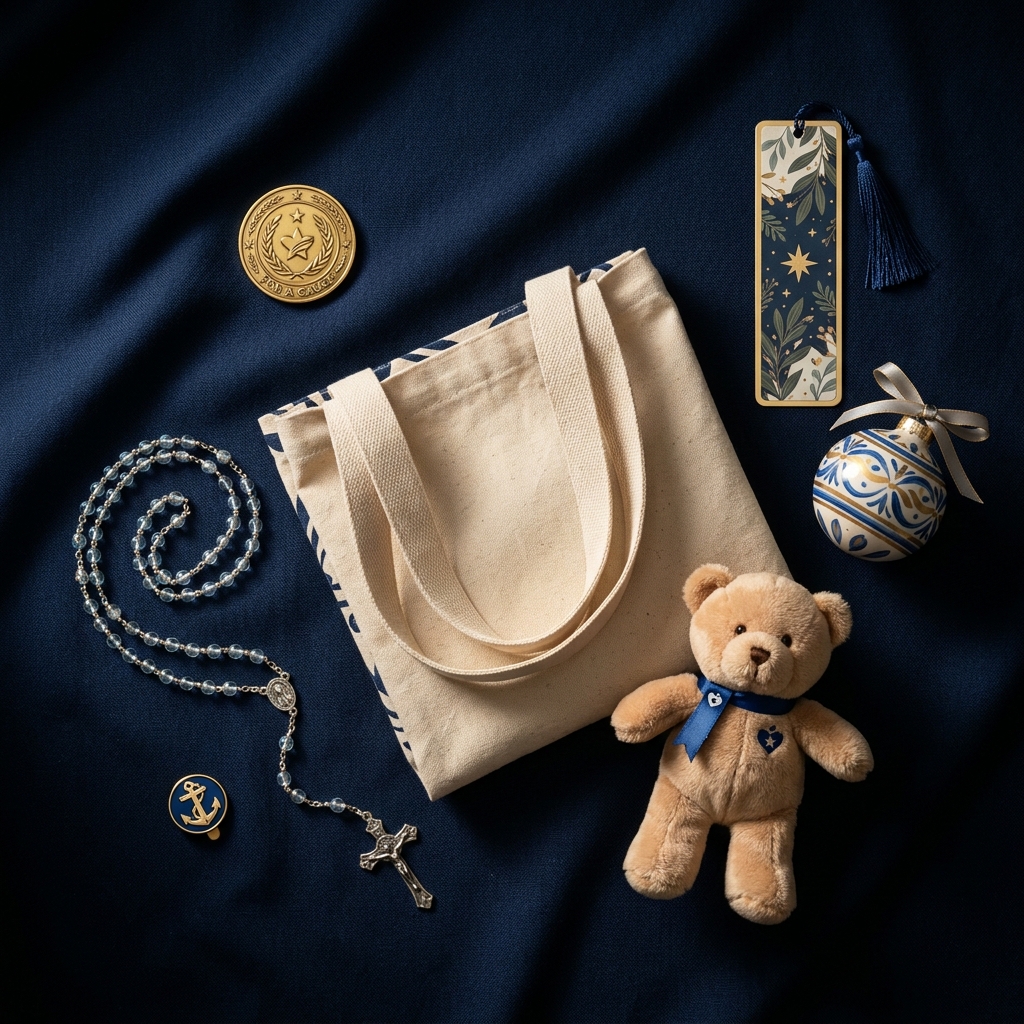
Coming up with the right fundraising premium isn't just about choosing a product. It's about choosing something that captures attention, connects emotionally, and motivates someone to give.
The difference between a campaign that performs and one that doesn't often comes down to one decision: what you put inside the envelope.
This guide breaks down the best-performing fundraising premium ideas—based on real campaign outcomes—and how to choose the right one for your audience.
What Makes a Fundraising Premium "Work"?
Not all premiums perform equally. The best ones share three traits:
1. They Feel Meaningful
Not random. Not generic. Connected to the mission.
2. They Have Perceived Value
Even if the cost is low, the item feels worth keeping.
3. They Fit the Campaign
Aligned with audience, timing, and messaging.
1. Emotional Premiums (High Response Drivers)
These are some of the strongest performers—especially in acquisition campaigns.
Plush Items
Best for: child-focused or emotional causes Why they work: immediate emotional connection, high perceived value, memorable.
Religious Items (Rosaries, Prayer Cards, Chaplets)
Best for: faith-based organizations Why they work: deeply personal, tied to daily practice, long-term retention.
Ornaments
Best for: seasonal campaigns Why they work: kept year after year, tied to memory and tradition.
2. Recognition Premiums (Identity & Belonging)
These work especially well for loyalty and ongoing engagement.
Coins & Tokens
Best for: recognition, membership Why they work: feel collectible, signal belonging, often kept long-term.
Lapel Pins
Best for: milestone or supporter recognition Why they work: wearable, visible identity, reinforce contribution.
3. Everyday Utility Premiums (Retention Drivers)
These extend the life of the campaign beyond the mail.
Tote Bags
Best for: broad audiences Why they work: used regularly, high visibility, strong perceived value.
Apparel (T-Shirts, Hats)
Best for: community-driven causes Why they work: wearable identity, long-term exposure.
4. Print-Based Premiums (Cost-Efficient Performers)
These are often overlooked—but extremely effective.
Bookmarks
Best for: high-volume mailings Why they work: low cost, practical, easy to include.
Cards & Inserts
Best for: adding depth to the mailing Why they work: enhance the experience, reinforce messaging.
5. Combination Premiums (High-Converting Strategy)
Some of the best campaigns don't rely on a single item. They use bundled experiences.
Example Combinations:
- Coin + prayer card
- Plush + letter
- Bookmark + insert
Why it works: increases perceived value, creates a more complete experience, strengthens emotional impact.
How to Choose the Right Premium
The best premium depends on three factors:
1. Your Audience
- Faith-based → religious items
- Family-focused → plush
- General → utility items
2. Your Campaign Goal
- Acquisition → emotional items
- Retention → utility + recognition
- Renewal → mix of both
3. Your Budget & Mail Constraints
Consider weight, size, insertability, and production cost.
Common Mistakes to Avoid
- Choosing based only on cost
- Using generic or irrelevant items
- Overloading the package
- Ignoring mailing logistics
- Copying competitors without strategy
Conclusion
There is no single "best" fundraising premium. There is only the right premium for the right campaign.
When chosen strategically, premiums can increase response rates, boost average gift size, and improve donor retention.
The goal isn't to send something. It's to send something donors actually keep—and remember.
Ready to Choose the Right Premium?
- Request a Quote — tell us about your campaign
- See Case Studies — real data from real campaigns
- Learn How It Works — our end-to-end process